
Urban Planning
Why Urban Planning Matters for Everyday Life
Published 2 November 2026 · By the Editorial team of the organization
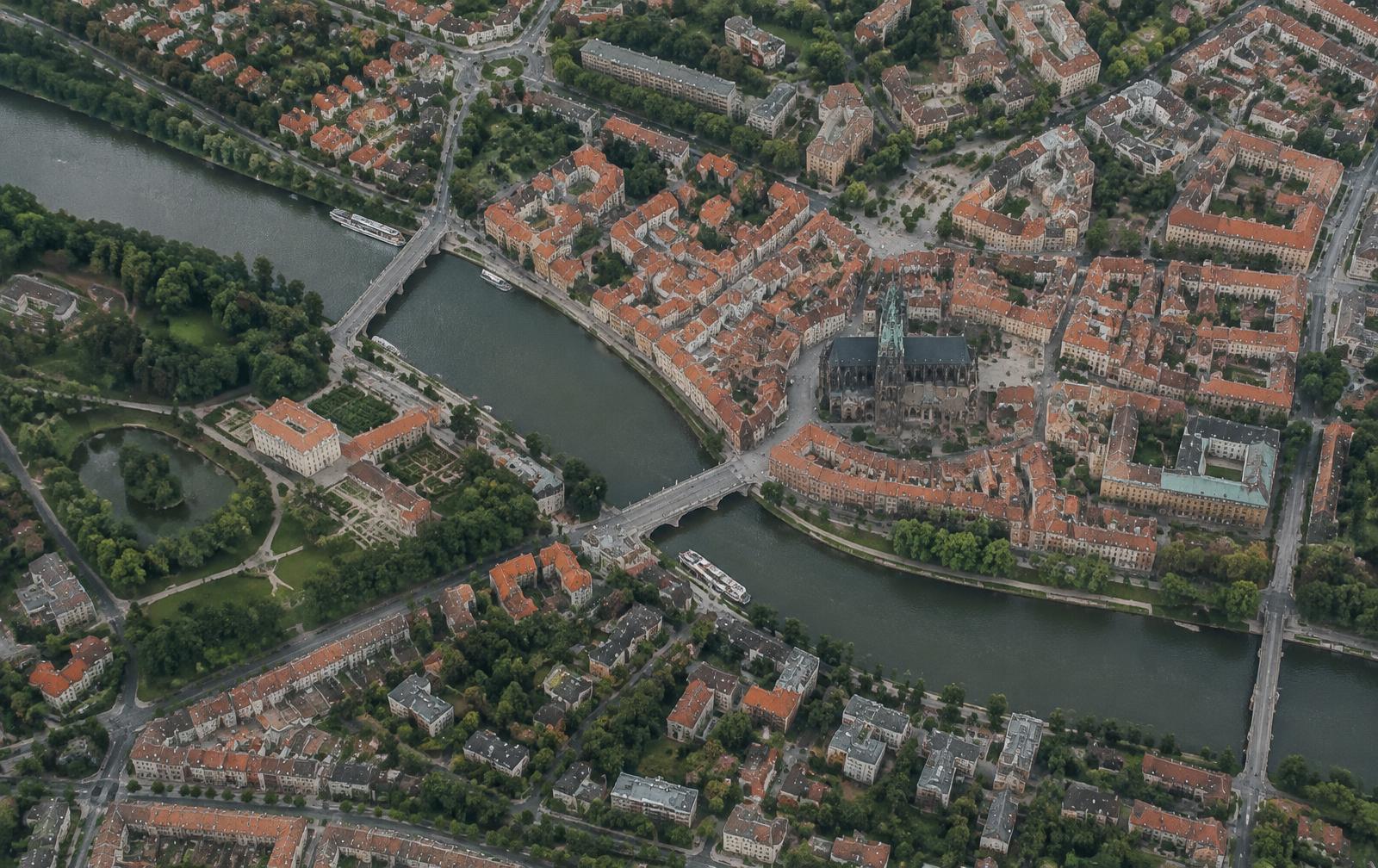
The length of your walk to school, the shade on your street and the price of your flat all trace back to planning decisions.
Most people notice urban planning only when something goes wrong: a road that floods every spring, a bus stop placed where nobody lives, a new building that blocks the light. Yet planning is present in almost every moment of the day. It decides where homes, schools and shops may be built, how wide pavements are and which land stays green.
Decisions that last for generations
Unlike many public policies, spatial decisions are hard to reverse. A street grid, once built, can last for centuries. That is why the quality of planning — and the quality of the public debate around it — matters so much. A poorly placed road or an unplanned suburb leaves consequences that later generations must live with.
Understanding is the first step
Planning documents are often written in technical language that discourages ordinary readers. When residents understand what a land-use plan is, what a regulation permits and how to comment on a proposal, they can contribute more constructively. Our work begins exactly here: making these tools understandable.
Better cities are not only designed by professionals. They are shaped by informed citizens who know what questions to ask.